
I have severe lower back pain and standard memory foam isn’t helping. What mattress type should I look at?
If you are living with severe lower back pain, you already know that a bad night’s sleep isn’t just frustrating—it actively worsens your physical suffering. Many people migrate toward standard memory foam expecting a cure-all, only to find that it leaves them feeling “stuck,” unaligned, or waking up with intense morning stiffness.
When memory foam fails to deliver, the issue usually boils down to localized viscoelastic compression. Foam relies on your body heat to soften, meaning your heaviest zones (the pelvis and lumbar region) can sink too deep into a stagnant “hammock” position, throwing off your spinal alignment.
If this sounds familiar, it’s time to look past traditional foam and spring setups. A highly effective, medically sound alternative you should consider is a modern orthopedic waterbed.
The Biomechanics of Flotation Support
To understand why a waterbed succeeds where memory foam fails, we have to look at the physics of rest through a medical lens. Waterbeds operate on the principles of hydrostatic pressure and buoyancy (Archimedes’ Principle).
1. Eliminating Interface Pressure
When you lie on a mattress, the areas of highest contact are called pressure points—typically your sacrum (lower spine) and scapulae (shoulder blades).
2. Facilitating Spinal Decompression
Throughout the day, gravity causes axial loading on your skeleton, which leads to intervertebral disc compression—the flattening of the gel-like discs between your vertebrae. To heal, these discs need to rehydrate overnight through a process called imbibition. Because a fluid surface allows your pelvic girdle and shoulders to sink to their natural equilibrium without resistance, your spine can achieve a true neutral alignment.
3. Preventing Nocturnal Ischemia and Muscle Spasms
When a mattress creates painful pressure points, it triggers a micro-arousal in your brain due to localized ischemia (restricted blood flow). Your body responds by tossing and turning. For someone with severe lower back pain, these sudden movements cause reactive paraspinal muscle spasms. Because a waterbed eliminates those aggressive pressure points, you stay completely still, allowing hypertonic (over-tight) back muscles to fully relax into a state of rest.
The Therapeutic Value of Regulated Hydrotherapy
One of the greatest clinical advantages of a modern waterbed is its integrated, thermostatically controlled heating system.
Vasodilation: The consistent, deep-penetrating heat causes your blood vessels to dilate.
This systemic vasodilation floods your lumbar tissues with oxygenated blood, accelerating the cellular repair of micro-tears in your ligaments and muscles. Reduced Joint Stiffness: Chronic lower back pain is frequently exacerbated by osteoarthritis of the facet joints (the small stabilizing joints located between and behind adjacent vertebrae). Ambient heat increases the viscoelasticity of collagen fibers, significantly reducing the morning stiffness associated with arthritic spinal conditions.
Secondary Health Benefits of Flotation Sleep
Beyond direct lumbar intervention, shifting from a fabric-and-foam construct to a fluid-based sleep system yields several broader medical benefits:
| Health Metric | Conventional Foam / Spring Mattress | Modern Orthopaedic Waterbed |
| Microbial & Allergen Load | Acts as an environmental sink for dead skin cells, harbouring millions of house dust mites (Dermatophagoides). | Impermeable vinyl bladder prevents allergen accumulation; easily sanitized with a clinical wipe. |
| Dermal Capillary Integrity | High risk of tissue shearing and localized ischemia, which can lead to decubitus ulcers (bedsores) if immobile. | Hydrostatic displacement keeps interface pressure below the capillary closing threshold, protecting skin health. |
| Sleep Architecture Optimization | Frequent tossing and turning interrupts Stage 3 and Stage 4 Non-REM deep sleep, hindering Human Growth Hormone (HGH) release. | Minimizes physical disruptions, stabilizing sleep cycles to maximize systemic physiological recovery. |
What to Look For When Shopping
If you decide to transition to a waterbed to manage severe back pain, steer clear of the vintage 1970s “free-flow” models, which create an unstable, undulating wave effect that can actually worsen muscle strain.
Instead, look strictly for a waveless orthopedic soft-side waterbed. These modern systems utilize internal fiber layers or baffled chambers embedded within the fluid bladder to rapidly dampen movement while preserving perfect hydrostatic support.
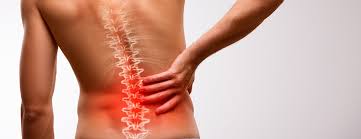
I have severe lower back pain and standard memory foam isn’t helping. What mattress type should I look at?
Posted:
Last updated:
Advise and Information
