
Are Water beds Good for You?
The Surprising Truth Behind the Fluid Sleep Revolution
For decades, waterbeds have been seen as a retro relic of the 70s and 80s—a “cool” bachelor pad accessory that eventually faded away. But in recent years, they’ve made a quiet, high-tech comeback. With modern “soft-sided” designs and advanced temperature control, people are asking again: Are waterbeds actually good for you?
The short answer is: Yes, they offer health benefits that traditional foam or spring mattresses simply cannot match.
1. Total Pressure Relief
The primary medical benefit of a waterbed is equal weight distribution. According to Archimedes’ Principle, a body immersed in liquid is buoyed up by a force equal to the weight of the liquid displaced.
In sleep terms, this means the waterbed contours perfectly to your body’s shape. Unlike a spring mattress that has “push-back” points on your hips and shoulders, a waterbed allows those heavy areas to sink in until your entire body is supported evenly.
Best for: People with pressure sores, circulatory issues, or those who toss and turn due to discomfort.
2. Spinal Alignment and Back Pain
Back pain is often caused by a mattress that is either too soft (causing a “hammock” effect) or too hard (straining the lower back). Because water is in-compressible, it provides a unique type of firm support that follows the natural curve of your spine.
By keeping the spine in a neutral position, waterbeds can significantly reduce morning stiffness and lower back ache.
3. Therapeutic Heat
One of the most underrated features of a modern waterbed is the integrated heater. You aren’t just sleeping on water; you’re sleeping on a giant, temperature-controlled heating pad.
Muscle Recovery: Heat helps dilate blood vessels, increasing oxygen flow to sore muscles and joints.
Arthritis Relief: Many sufferers of arthritis find that the gentle warmth soothes joint inflammation and helps them fall asleep faster without the need for electric blankets.
4. The “Allergy-Free” Advantage
Standard mattresses are essentially giant sponges for dust mites, dead skin cells, and allergens. Over 10 years, a traditional mattress can significantly increase in weight just from accumulated debris.
Hygiene: A waterbed mattress is made of high-grade vinyl. It is non-porous. Dust mites cannot live inside it.
Easy Cleaning: You can simply wipe down the vinyl with a mild vinyl cleaner and wash the removable zip-cover, making it perhaps the most hygienic sleep surface available.
Are there any downsides?
To be fair, waterbeds aren’t for everyone. They require:
Maintenance: You need to add a “conditioner” liquid once a year to keep the water fresh.(tops a five minute job)
Moving House: They are heavy, so have to be drained down. Most people can do this themselves and it takes about 2 hours. Or a specialist can do it for you.
Motion: If you share a bed, you might want to eliminate the movement by opting for a “waveless” mattress to ensure you don’t feel your partner moving.
The Verdict
If you struggle with chronic back pain, allergies, or poor circulation, a waterbed could be a life-changing investment. The combination of zero-pressure support and therapeutic heat offers a level of physical recovery that standard mattresses struggle to replicate.
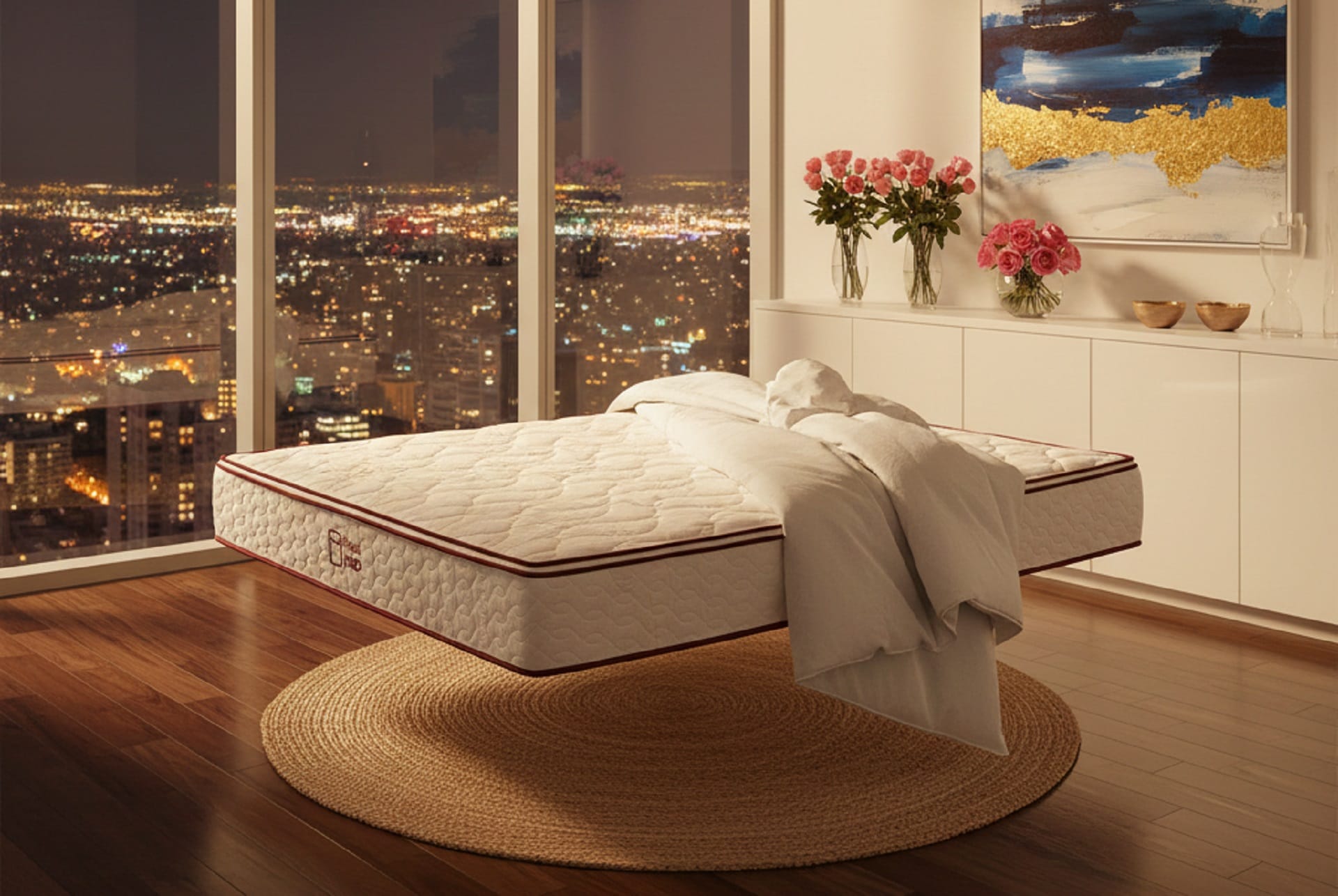
Thinking of making the switch? Modern soft-sided waterbeds look exactly like a normal mattress, meaning you can still use your favourite headboards and fitted sheets while enjoying the benefits of fluid support.
Are Water beds Good for You?
Posted:
